


Articles

Christmas is the perfect time to go all-in on flavours that feel warm, festive, and a little bit magical – and a vegan feast can be every bit as indulgent as the traditional spread. From vibrant vegetable centrepieces to comforting sides and show-stopping desserts, we’re diving into a collection of delicious plant-based recipes that bring all the cheer of the season to your table. These dishes are colourful, hearty, and full of festive flair, making it easy to celebrate Christmas with food that feels both joyful and irresistibly good.
Read More »
Eating enough fibre is absolutely essential to maintain our digestive health. Plant-based foods contain both soluble and insoluble fibre in various amounts, and both are excellent for keeping our insides ticking over. Luckily for us, plenty of ultra-tasty and versatile foods contain both types of fibre!
Soluble fibre dissolves in water, and is usually a constituent of the soft, moist parts of plants, whereas insoluble fibre is generally tougher and often found in edible skins, husks and shells of plants. Soluble fibre creates a gel when it dissolves, which can help slow digestion, leading to improved blood sugar control and a reduction in blood lipids (known as cholesterol). The insoluble type is essential for healthy bowel movements, as it attracts water and softens stools, making everything glide through us with the greatest of ease! Fruit and vegetables usually have plenty of soluble fibre, as do pulses. Whole grains tend to have a good amount of insoluble fibre, as do nuts and seeds.
Read More »
Christmas is the best time for foodies! Everyone loves indulging their taste buds at this wonderful time of year, and expressing their love and affection for friends and relatives with the giving of gifts. It’s the one time of year everyone pushes the boat out and feasts merrily on all kinds of good things. Whether you’re crazy about cakes and mince pies, mad for snacks, a lover of nuts and dried fruit, or all of the above, there’s a huge amount of choices on offer to satisfy your Crimbo cravings.
We’ve collected some of our very favourite, most delicious gourmet products below – any of these would make fantastic gifts for the foodies in your life, perfect both as stocking fillers or part of a sumptuous food hamper! So cast your eyes over the luxurious gift choices below, and pick one or two for the special fine food connoisseurs in your life…
Read More »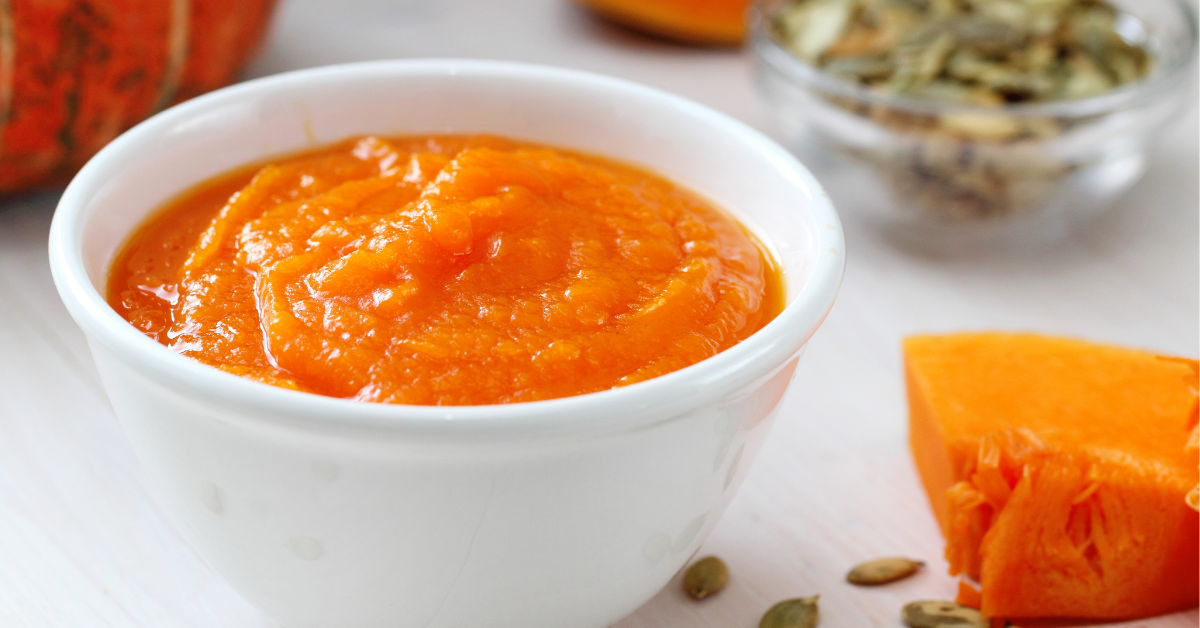
Pumpkin is a very healthy vegetable – it’s absolutely stuffed with vitamin A, which is fabulous for your eyes, and helps strenghthen your immune system while keeping your major organs in tip-top condition. It also contains plenty of vitamin C, as well as beneficial minerals such as potassium, manganese and copper. It’s packed with fibre, which is superb for the health of your digestive system. It has high levels of beta-carotene, a plant pigment which has remarkable antioxidants properties that boost the health of your skin.
As an ingredient, pumpkin is incredibly versatile – it can be used in both sweet and savoury recipes, and it’s an efficient way of replacing fats while keeping up moisture levels in cakes and bakes. You can make your own pumpkin puree from leftover fresh pumpkin by roasting in a medium-hot oven for 45-60 minutes and then whizzing in a food processor or mashing with a fork. Or you may just have half a tin left after making a recipe – so here are ten exciting ideas for delicious pumpkin dishes to try if you find yourself with a surplus….
Read More »
Time is precious, and although it can be lovely to spend time cooking exciting, flavoursome, nutritious dishes every dinner time, for many people there simply isn’t enough time in the day! That’s why it’s a canny idea to prepare a big pot of something wonderfully tasty in advance that will sustain you for a few days, freeing up time to spend with family and friends, catching up on your favourite TV shows or just having a long, relaxing soak in the tub.
Eleven per cent of UK employees work over 48 hours per week, according to the Institute for Employment Studies, so with time at a premium for so many people, having some containers in the fridge of lovely food prepared a few days earlier is a blessing indeed. So we’ve compiled a list of ten amazing meals full of good things that will keep well in the fridge and sustain you and your loved ones over the course of several days. Feast your eyes and pick up a few ideas for magnificent meals below….
Read More »
Christmas is a time to spend together with family, friends and loved ones, and show them how much we love them with the traditional exchanging of gifts. What better way is there to express our love than to give a sweet treat we’ve taken the time and effort to make ourselves? And if we can make healthier (and tastier) versions of treats available in the shops, all the better!
We all know that commercial festive fare can be absolutely stuffed with saturated fats and refined white cane sugar, and a study published in 2018 showed that over 25,000 subjects who were tested before and after the Christmas period showed massive increases in cholesterol in their January readings, leading the report’s authors to urge medical professionals never to issue a diagnosis of high cholesterol at this time of year![1]
So here are some wonderful, unique ideas for delicious and comparatively healthy gifts to make and give for Christmas….
Read More »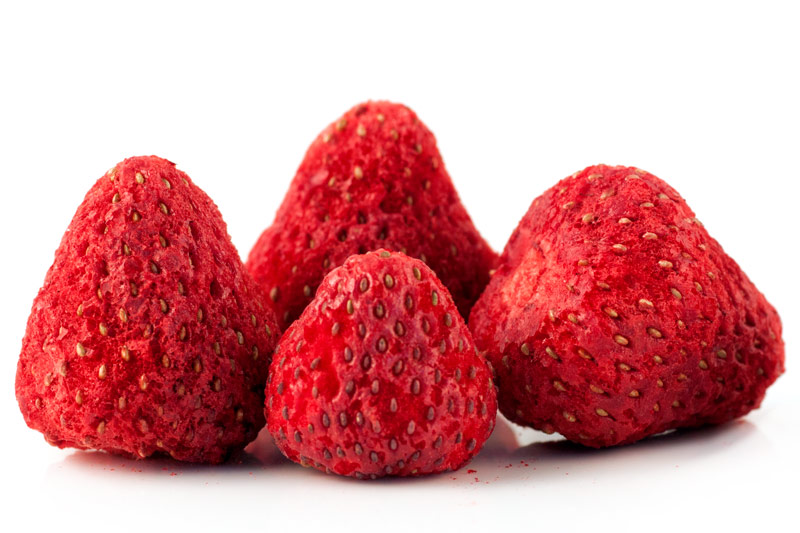
We all know that fruit and vegetables are fantasticaly good for us, and that we should all eat more, to ensure we’re getting all the vitamins, minerals, fibre and other nutrients we need. However, very often if you go shopping for fresh fruit & veg on a Monday, and don’t manage to finish everything quickly, your fresh produce looks in a very sorry state by the end of the week! Dried products have always been available, but when you dry fresh food in the conventional way, which usually means using an oven, most of the nutrition can be lost as the heat causes the vitamins and other nutrients to degrade – and the flavour can be radically different too. But because of the way the freeze-drying process takes place, it means the nutrition and taste are pretty much unchanged – and the only huge differences are that the weight is much lighter (because the water has gone), and as a direct result, the shelf life has been massively extended, sometimes by many years.
Let’s take a closer look at the magical world of freeze-drying….
Read More »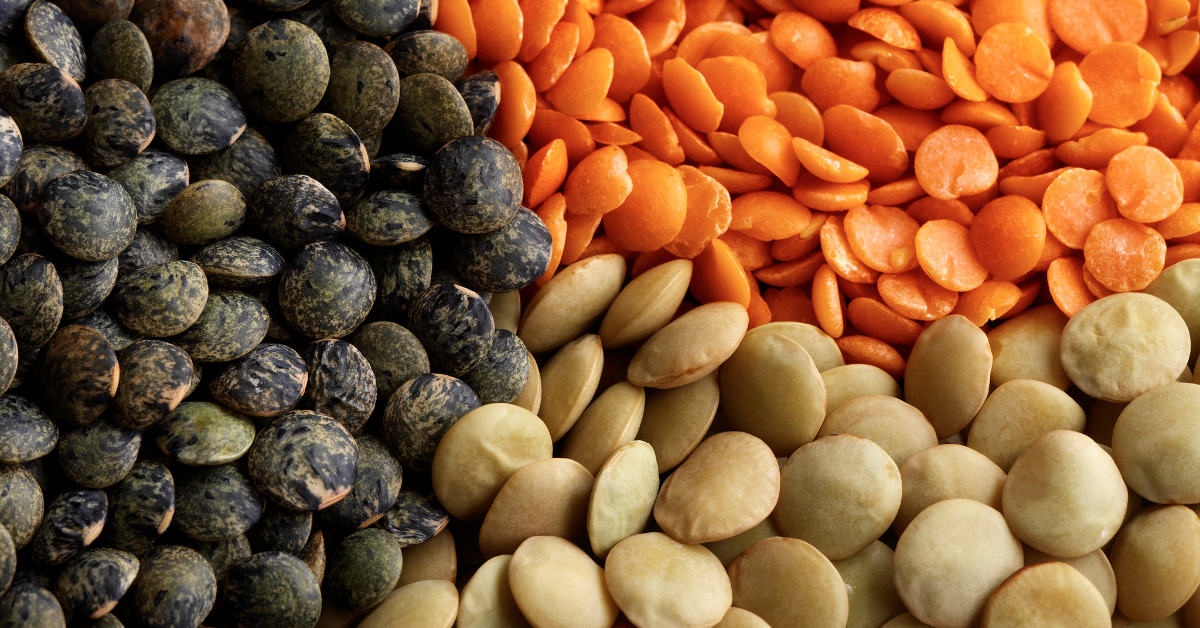
Lentils have long been one of the superstars of the health food revolution – they’re versatile, easy to cook and brilliantly filling. They’re cheap and plentiful too, with a low carbon footprint, and there’s an awesome range of health benefits to be gained by eating this wonderful legume.
There’s evidence that lentils have been eaten by human for at least 10,000 years, and there are hundreds of varieties in existence. They remain a staple food today in large parts of the world, especially India, where red split lentils are commonly made into a tasty, spicy stew called dahl. The other main types used around the world are brown lentils, black lentils (also called Beluga lentils), green lentils and Puy lentils (also known as French lentils).
But why exactly should we be eating more of these delightful little things? Let’s take a closer look….
Read More »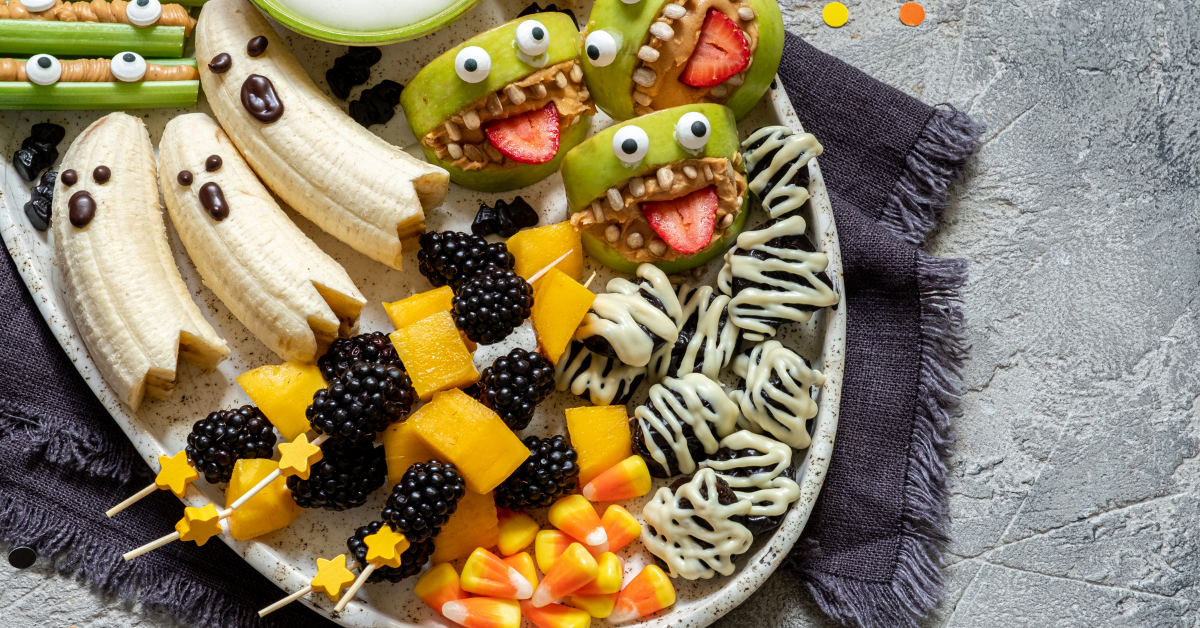
Spooky, Scrumptious, and Nutritious: A Halloween Treat Revolution for Kids
As the leaves turn vibrant shades of orange and crimson and a chill creeps into the autumn air, the most anticipated night of the year for little ghouls and goblins draws near – Halloween. While the holiday is synonymous with costumes and sweets, it’s also a fantastic opportunity to introduce healthier and equally delicious alternatives to the sugar-laden bounty that typically fills trick-or-treat bags.
In this article, we’ll unveil a selection of enchanting treats that will not only delight the taste buds of kids but also make parents rejoice in their nutritional value. Get ready to embrace a Halloween where spooky and scrumptious go hand in hand, as we present you with a lineup of wholesome, yet irresistibly tasty, trick-or-treat ideas for the little monsters in your life.
Read More »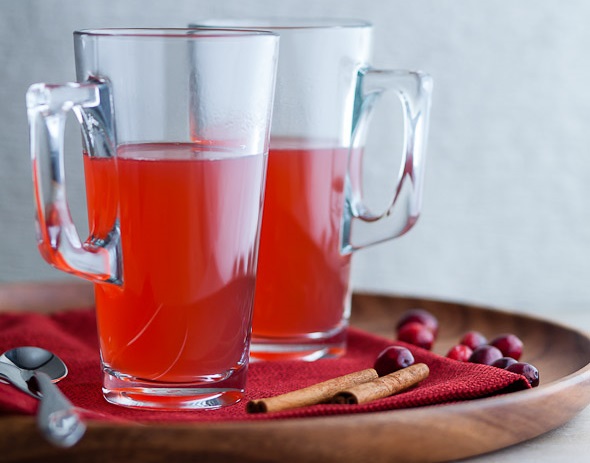
Many of us lead increasingly hectic lives, and nothing quite pampers the soul and soothes a frazzled mind like curling up on the sofa with a hot mug of tea. Tea sustains us, breaks up our day, gives us an excuse for a natter with friends and family, and can confer a whole load of rather wonderful health benefits on us.
We drink around 100 million cups of tea every day in the UK, with 96% of these made using teabags, and 98% taken with milk.[1] It’s good to drink tea, as a few cups a day will help you stay hydrated. But if you look beyond traditional black tea and are looking for other tastes than brilliantly healthy green tea, you’ll find a whole world of different beneficial (and supremely tasty) flowers, herbs, spices and other plants available which can be used to make a lip-smacking and fantastically healthy cuppa.
If you’re interested in reaping benefits from the food you eat, it stands to reason you should also investigate how the beverages you make can also enable you to be healthy, happy and wise! So let’s have a look at ten of our most popular tea infusions and delve deeper into how a simple cuppa can make your day a bit more magnificent….
Read More »